Choosing the right racking system is one of the most consequential decisions a warehouse operator can make. The wrong choice leads to wasted floor space, damaged inventory, and operational inefficiencies that compound over time. While pallet racking is the default solution for most warehouses, there are specific storage scenarios where cantilever racking is not just preferable but necessary. Understanding the difference between these two systems can save time, money, and a great deal of frustration.
What Sets These Two Systems Apart
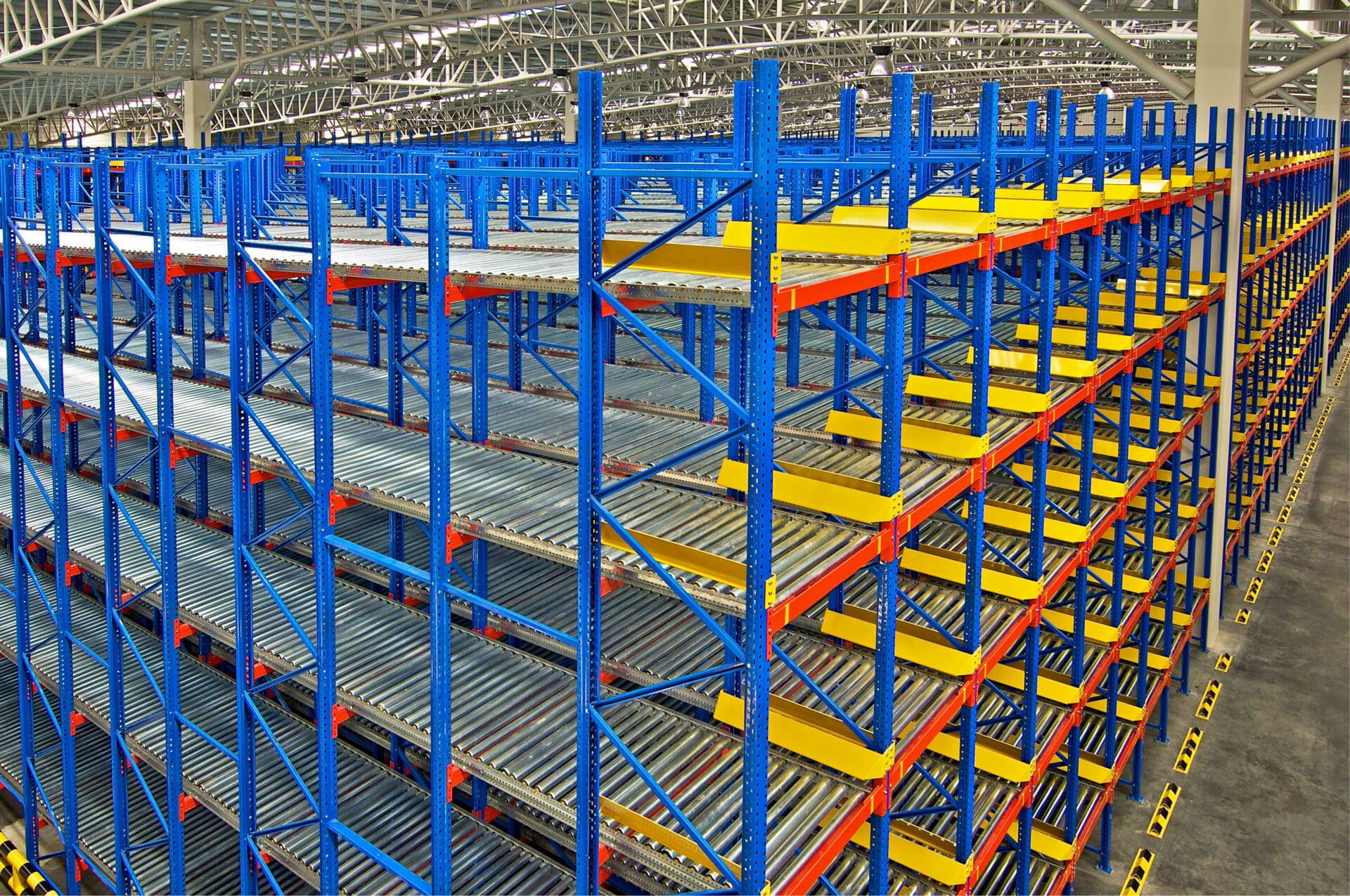
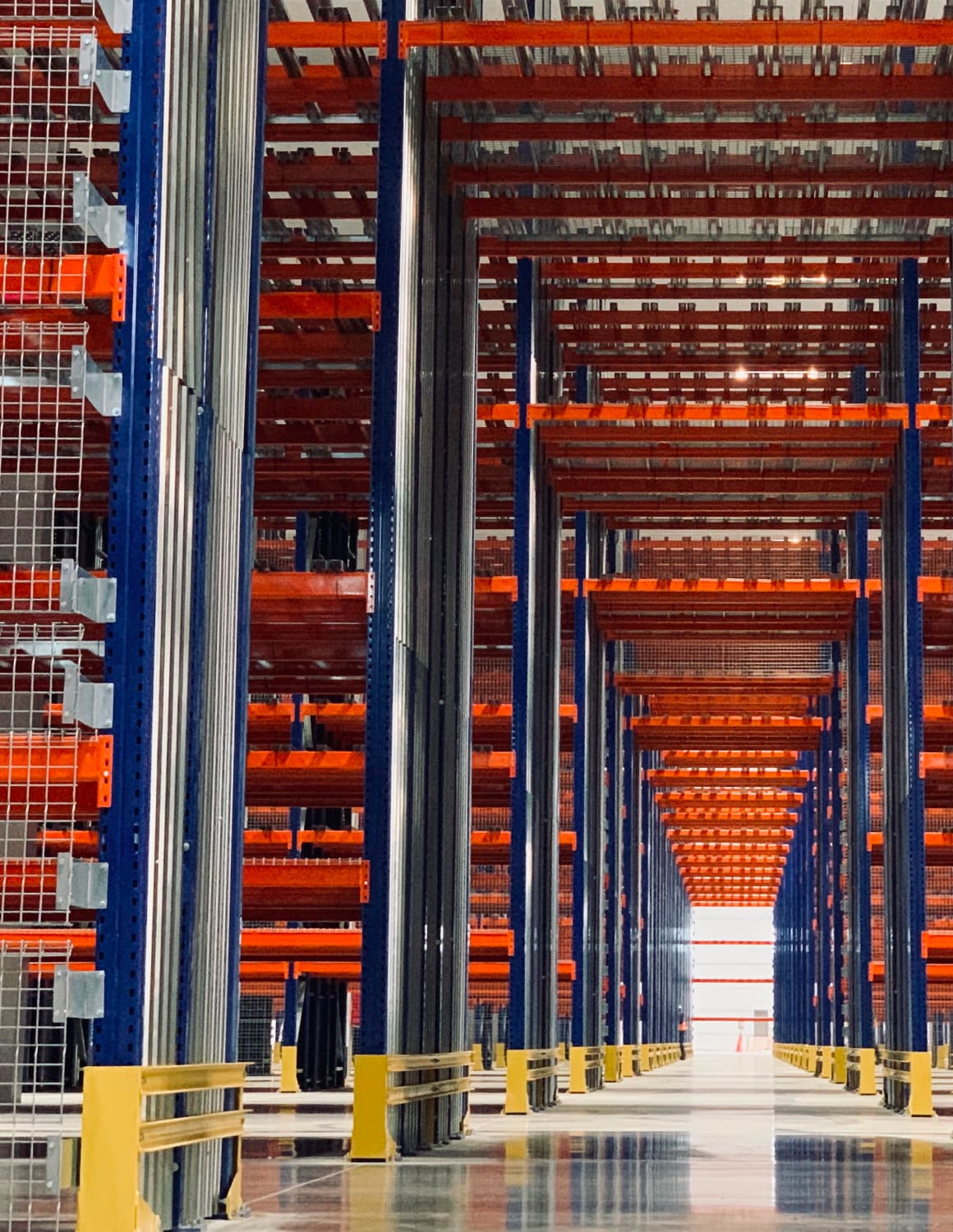
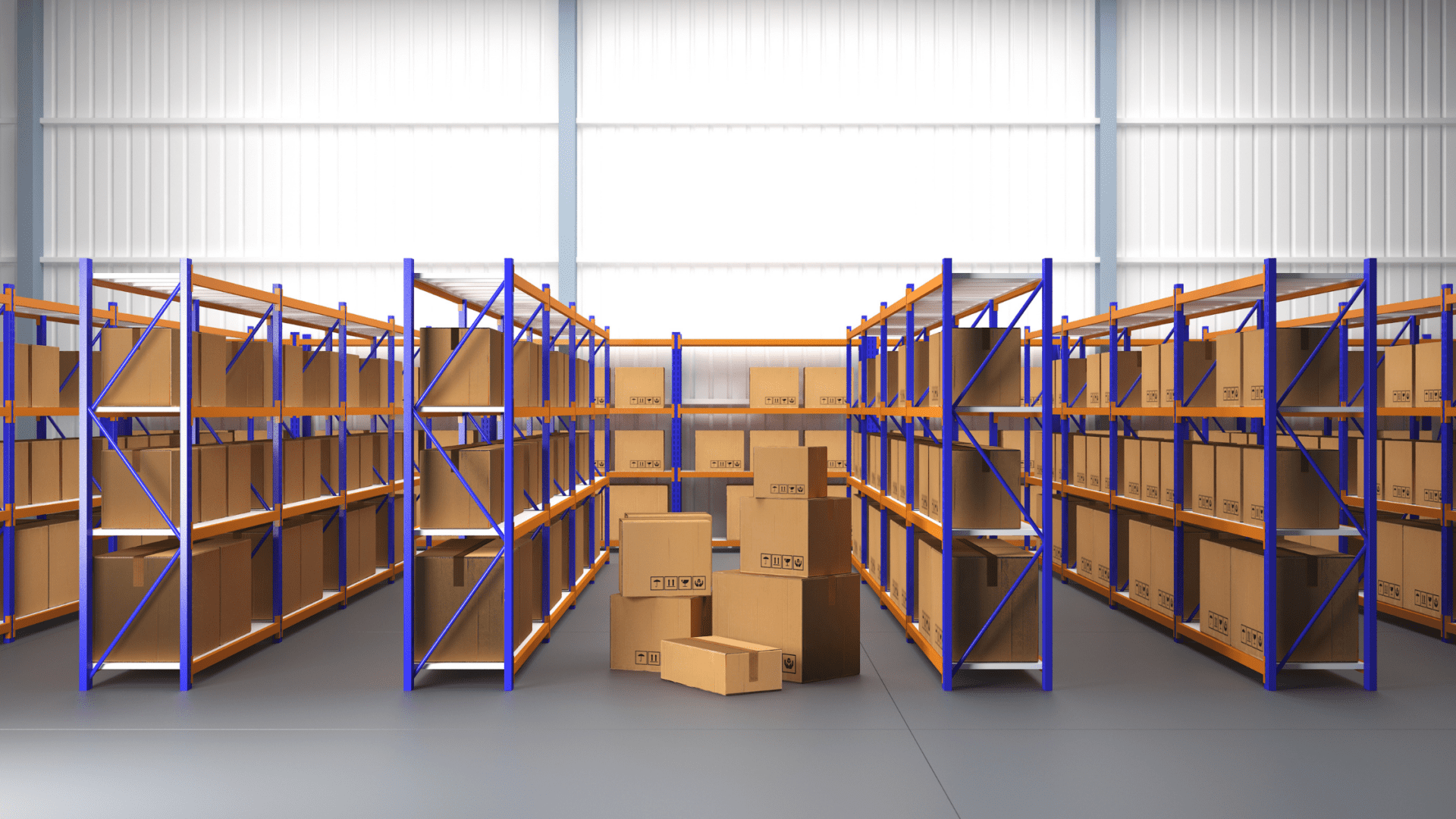
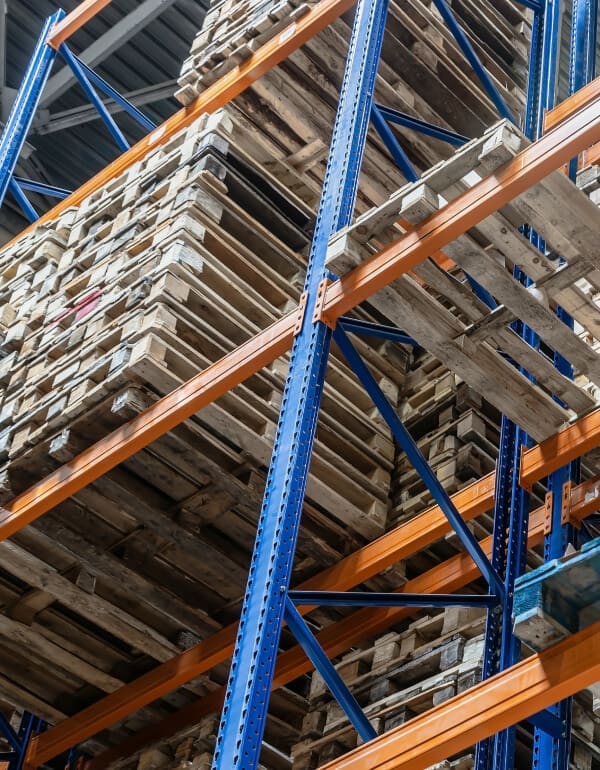
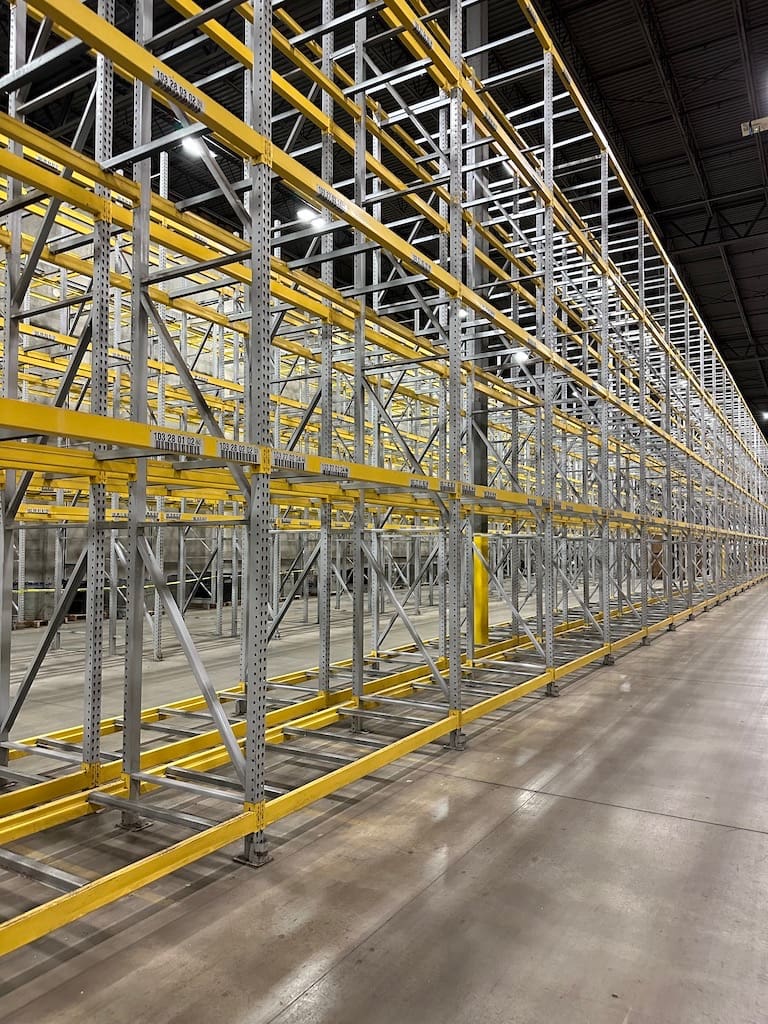
Pallet racking is the most widely used storage system in commercial warehousing. It uses upright frames and horizontal beams to create shelf levels that support standard palletized loads. This system works exceptionally well for uniform, boxed, or containerized products that sit neatly on a pallet. The structure provides consistent load distribution and maximizes vertical space in a predictable, scalable way.
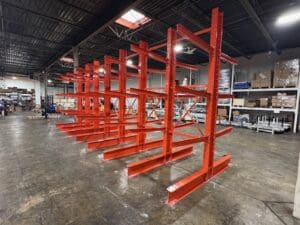
Cantilever racking takes a fundamentally different approach. Instead of closed bays with front and rear uprights, cantilever systems use a single column of vertical uprights with arms that extend outward. This open-face design eliminates the front column entirely, which is precisely what makes it the right tool for certain categories of product.
When the Product Shape Drives the Decision
The clearest indicator that a warehouse needs cantilever racking is the shape and length of the materials being stored. Long, awkward, or irregularly shaped items simply cannot be stored safely or efficiently on standard pallet racking. Lumber, steel pipe, conduit, tubing, furniture, carpet rolls, and similar products require unobstructed horizontal access that cantilever arms provide. Attempting to store these materials on pallet racking creates safety hazards and typically results in product damage.
If your facility handles any category of long goods, the conversation about cantilever rack in North Carolina or other regional markets is not optional. It is a practical necessity rooted in product compatibility.
When Accessibility and Throughput Matter
Beyond product shape, operational workflow should influence the racking decision. Cantilever systems allow forklift operators to access stored materials from any point along the arm without navigating around vertical columns. This open access significantly improves picking speed and reduces the risk of equipment collisions with rack uprights, which is a common cause of structural damage in busy warehouses.
For operations that move high volumes of long materials throughout the day, the time saved per pick cycle adds up quickly. The layout of cantilever racking also adapts well to single-sided and double-sided configurations, giving warehouse planners flexibility in how they organize floor space.
When Standard Pallet Racking Remains the Better Choice
It is equally important to recognize when pallet racking is the correct solution. For warehouses storing palletized goods, boxed products, or anything that fits neatly within a standard bay, pallet racking delivers superior density and cost efficiency. Systems like used pallet racks in Georgia offer an economical path to high-density storage without the upfront cost of new equipment, making them a practical option for operations managing tight capital budgets.
Similarly, facilities storing mixed inventory may benefit from a hybrid approach, using pallet racking for the bulk of their storage while dedicating a section of the floor to cantilever for long goods. A well-designed warehouse does not have to commit entirely to one system.
Getting the Right System Installed Correctly
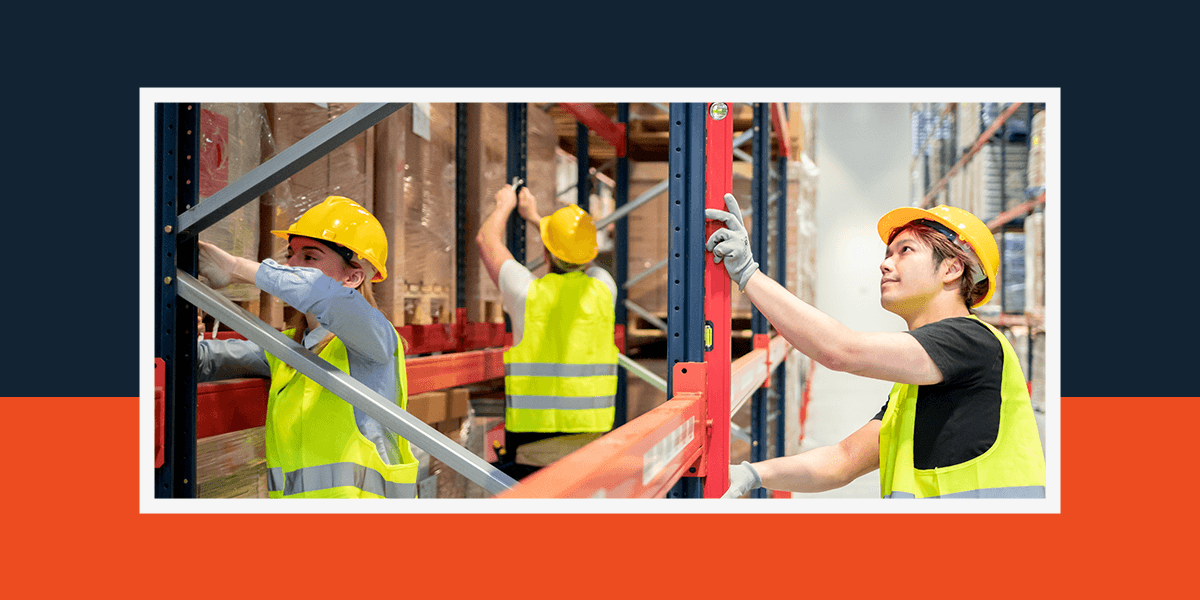
Selecting the right racking type is only part of the equation. Professional warehouse racking in Georgia and across the Southeast requires proper installation to ensure structural integrity, load compliance, and long-term safety. Improperly installed racking of either type creates liability and operational risk that far outweighs any short-term savings from cutting corners on labor.
ProRack Systems operates from locations in Nashville, TN and Columbia, SC, serving warehouses throughout the region with in-stock inventory and professional installation services. Their team provides 48-hour quote turnaround times, which means warehouse operators can get accurate, project-specific information quickly rather than waiting weeks for a response that may not reflect actual availability.
Making the Right Call for Your Operation
The decision between cantilever and pallet racking comes down to what you are storing, how you are moving it, and how your facility needs to scale. Neither system is universally superior. Both serve distinct purposes, and the most effective warehouse layouts often incorporate both where appropriate.
Ready to determine which racking system fits your operation? Contact ProRack Systems today for a tailored consultation and receive your quote within 48 hours. Visit proracksystems.com/contact to get started.