Installing warehouse racking systems in Georgia requires careful planning and adherence to specific state and local regulations. Whether you’re expanding an existing facility or setting up a new warehouse operation, understanding the key considerations before installation can save time, money, and ensure compliance with safety standards.
Understanding Georgia’s Building Code Requirements
Georgia follows the International Building Code (IBC) with state-specific amendments that affect warehouse racking installations. These regulations cover seismic design requirements, fire safety provisions, and structural load calculations. Facilities must obtain proper permits before installing warehouse racking in Georgia, and inspections are typically required during and after installation.
Local jurisdictions may have additional requirements beyond state codes. Atlanta, Savannah, and Columbus each maintain specific ordinances that can impact racking design and installation timelines. Working with experienced professionals who understand these varying requirements ensures your project moves forward without costly delays or compliance issues.
Space Planning and Layout Optimization
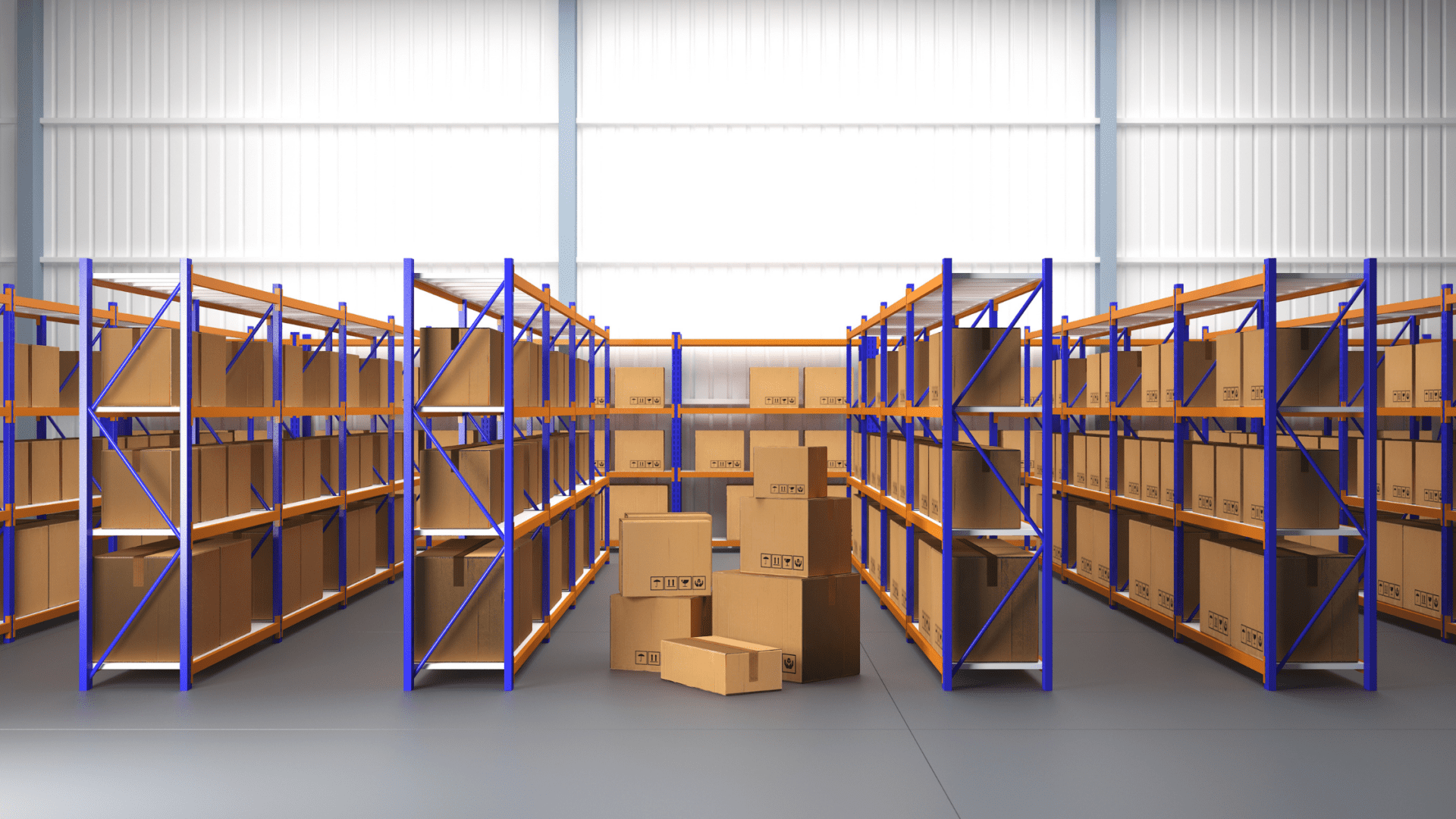
Effective warehouse design maximizes storage capacity while maintaining safe operating conditions. Georgia warehouses must consider aisle width requirements, which vary based on the type of material handling equipment used. Forklift operations require wider aisles than reach truck systems, directly impacting your storage density calculations.
Ceiling height limitations also play a crucial role in racking selection. Many Georgia facilities feature varying roof structures that may limit vertical storage options in certain areas. Professional space planning identifies these constraints early in the design process, allowing for optimal placement of different racking types throughout the facility.
Choosing the Right Racking System
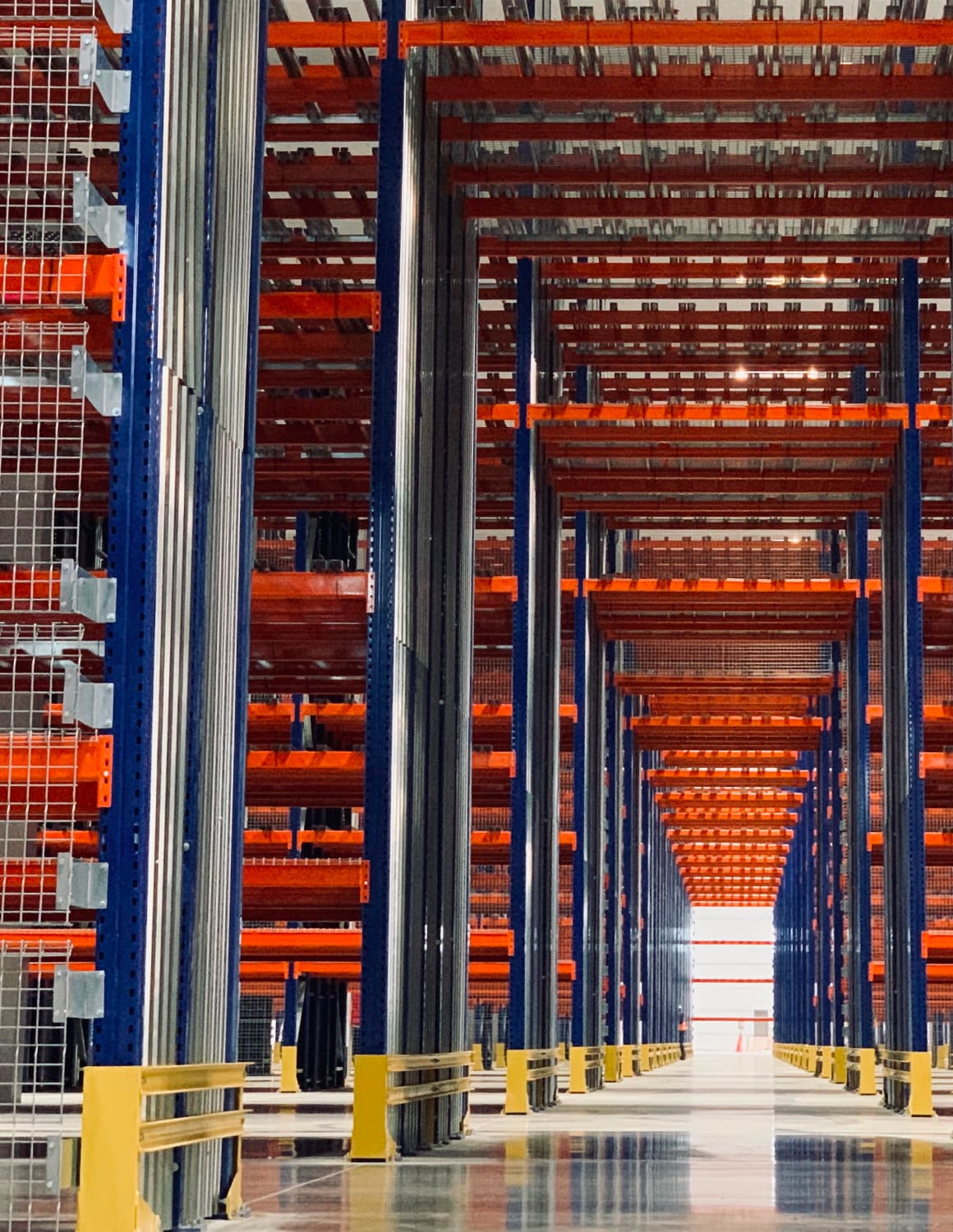
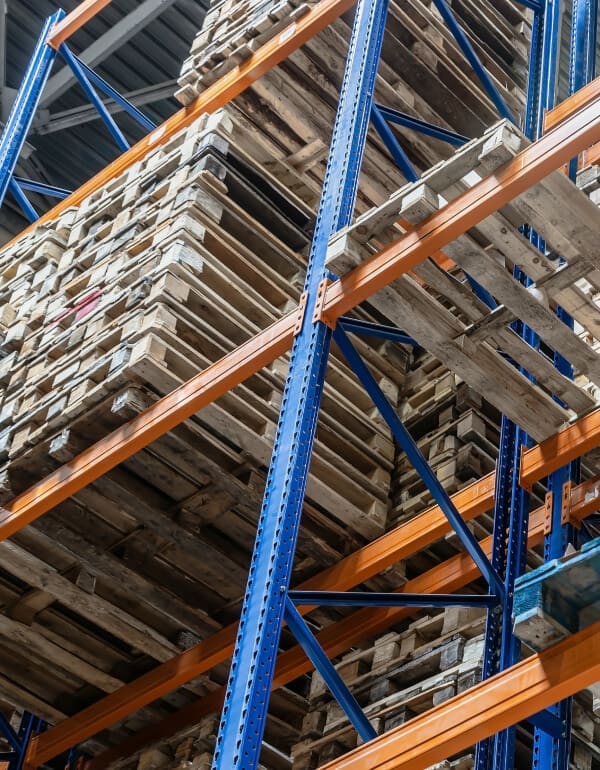
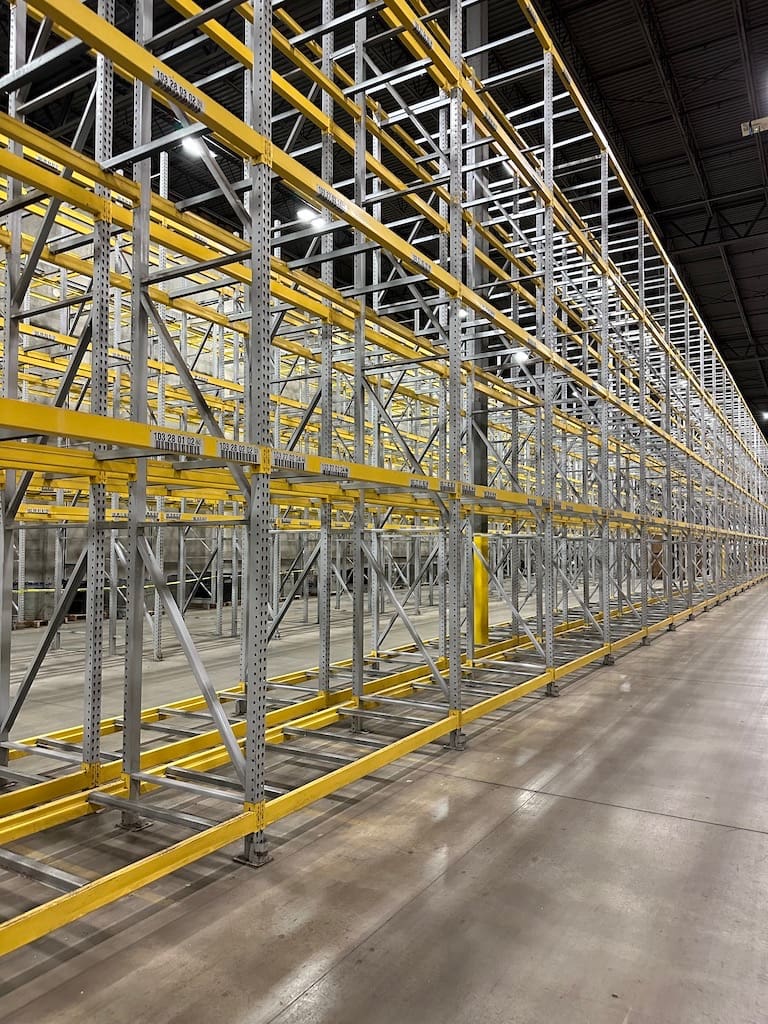
The type of products you store determines which racking system best serves your operation. Used pallet racks in Georgia facilities commonly install include selective pallet racking for general storage, drive-in systems for high-density applications, and push-back racks for inventory rotation requirements.
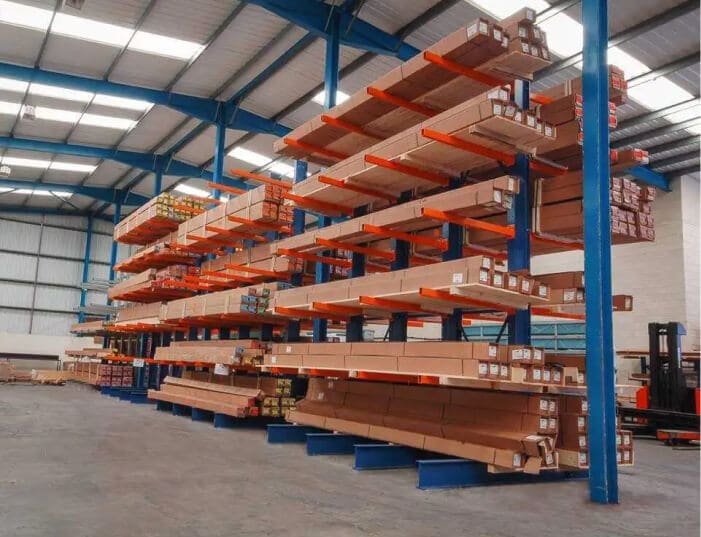
Specialized storage needs may require alternative solutions. Long materials such as lumber, pipes, or steel beams benefit from cantilever racking systems that eliminate front columns for easy loading access. Smaller parts and components often work best with wire decking additions that prevent items from falling through standard rack beams.
Installation Timeline and Logistics
Professional installation teams coordinate delivery and assembly to minimize disruption to ongoing operations. Georgia’s transportation infrastructure generally allows for efficient delivery of racking components, though facilities in rural areas may require additional planning for large truck access.
Installation typically proceeds in phases, allowing portions of the warehouse to remain operational during the process. This approach proves especially valuable for facilities that cannot afford complete operational shutdowns. Experienced installers work around existing inventory and equipment while maintaining safety protocols throughout the project.
Safety Considerations and Ongoing Maintenance
Proper installation represents only the first step in warehouse racking safety. Georgia OSHA requirements mandate regular inspections to identify potential hazards such as damaged uprights, loose connections, or overloaded beams. Establishing inspection schedules and maintenance protocols protects both personnel and inventory while extending racking system lifespan.
Training warehouse staff on proper loading procedures and weight limits prevents many common safety issues. Clear load capacity markings and standardized operating procedures help maintain safe working conditions while maximizing storage efficiency.
Working with Professional Installation Services
Partnering with experienced racking professionals ensures compliance with all applicable codes and regulations. Professional installers understand permit requirements, inspection processes, and local jurisdiction variations that can impact project timelines. They also provide warranty coverage and ongoing support that protects your investment.
Quality installation services include detailed project planning, permit assistance, professional assembly, and post-installation support. This comprehensive approach minimizes risk while ensuring your warehouse racking in Georgia installation meets all safety and operational requirements.
Ready to Install Your Warehouse Racking System?
Successful warehouse racking installation requires expertise in planning, compliance, and professional execution. ProRack Systems provides comprehensive warehouse storage solutions with fast quote turnaround times and professional installation services throughout Georgia. Our experienced team understands local requirements and delivers tailored solutions that maximize your storage efficiency while ensuring safety compliance.
Contact ProRack Systems today to discuss your warehouse racking needs.