
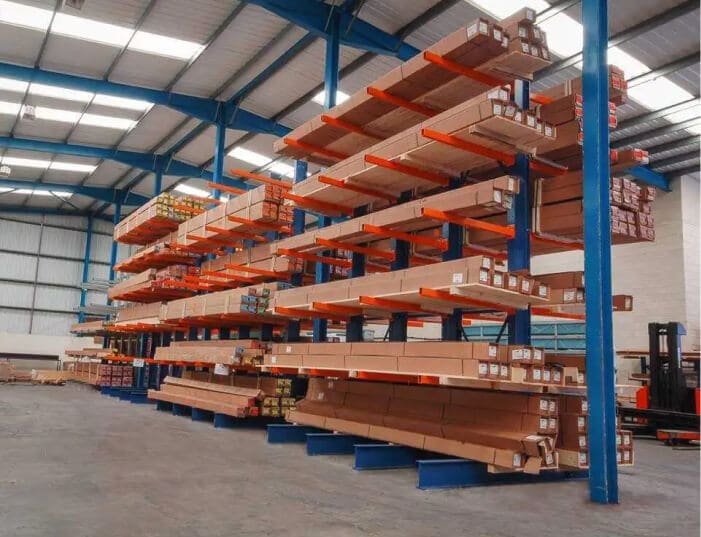


Wire decking in South Carolina faces unique challenges. The state’s booming industrial sector demands storage solutions that can handle everything from food distribution to manufacturing operations. Getting the right system is about understanding how different materials and designs perform in this environment.
The wrong choice costs you more than money. Corroded decking creates safety hazards. Inadequate load ratings lead to structural failures. Poor ventilation compromises fire suppression systems.
Wire mesh decking warehouse systems come in three main categories, each designed for specific operational needs.
Standard welded wire decking uses 2″x4″ or 3″x4″ mesh patterns. The open design allows sprinkler systems to work effectively while providing good airflow. Most South Carolina warehouses start here because it handles typical pallet loads and integrates well with existing rack systems.
Heavy duty wire decking steps up the game with thicker gauge steel—usually 10-gauge instead of the standard 11 or 12-gauge. This matters when you’re storing dense materials like metal coils or bulk chemicals. The extra thickness prevents sagging and extends service life under constant heavy loads.
Specialty options solve specific problems. Waterfall edges keep small parts from falling through. Inverted mesh creates smoother surfaces for awkward loads. Some facilities need these features, others don’t.
Walk into any warehouse in Columbia during July. The humidity hits you immediately. That same moisture attacks unprotected steel wire decking every day.
Galvanized steel wire decking fights back with zinc coating that prevents rust formation. The galvanizing process creates a protective barrier that handles South Carolina’s humidity without breaking down. Facilities near the coast especially need this protection due to salt air exposure.
Powder coating adds another layer of defense. Beyond corrosion resistance, it enables color coding for inventory management. Red decking for hazardous materials, blue for automotive parts, green for food products. The coating also creates a smoother surface that’s easier to clean.
Raw steel decking costs less upfront but fails quickly in humid conditions. The savings disappear when you’re replacing corroded sections after two years instead of getting decades of service from properly protected materials.
Steel wire decking systems selection starts with understanding your actual loads, not just what you think you need.
A standard pallet of paper weighs around 2,000 pounds. Easy enough for most wire decking. But stack two pallets high and you’re pushing 4,000 pounds on a single deck panel. Add dynamic loads from forklift traffic and you need systems rated well above your static weight.
Mesh size affects both strength and functionality. Smaller mesh patterns support lighter items but reduce airflow. Larger patterns maximize ventilation but won’t hold small components. The 2″x4″ mesh hits the sweet spot for most applications.
Deck sizing must match your rack configuration exactly. Standard 36″ and 42″ depths work with most pallet racks, but custom sizes accommodate unique layouts. Measure twice, order once—retrofitting costs more than getting it right initially.
Industrial wire decking installation looks simple until you’re doing it wrong. Properly installed decking sits flush, distributes loads evenly, and stays in place during normal operations.
The deck panels must fit snugly between rack beams without forcing or gaps. Loose panels shift under load, creating uneven weight distribution that can damage both the decking and the rack structure. Too tight and thermal expansion causes buckling.
Safety clips or other retention hardware keep panels in place during normal warehouse operations. Forklift operators occasionally bump racks—properly secured decking stays put while loose panels can shift or fall.
Professional installers know local building codes and OSHA requirements. They understand load calculations, proper spacing, and integration with fire suppression systems. DIY installation saves money upfront but often creates expensive problems later.
Regular inspections catch problems before they become failures. Monthly visual checks identify bent wires, loose panels, or early corrosion signs. Annual comprehensive inspections evaluate structural integrity and overall system condition.
High-turnover warehouses need more frequent attention than long-term storage facilities. Constant loading and unloading stresses the system differently than static storage. Adjust your maintenance schedule based on actual usage patterns.
Clean decking lasts longer. Debris buildup traps moisture against steel surfaces, accelerating corrosion even on galvanized materials. Regular cleaning also prevents small problems from becoming major repairs.
Document everything. Track inspection dates, maintenance performed, and any issues identified. This information helps predict replacement needs and demonstrates compliance during safety audits.
Most South Carolina warehouses perform well with 10-gauge or 11-gauge wire decking. This provides solid load capacity while resisting humidity-related corrosion when properly treated.
South Carolina’s high humidity accelerates corrosion in untreated steel. Galvanized or powder-coated wire decking in South Carolina provides necessary moisture protection for reliable long-term performance.
Load capacity depends on your specific storage requirements. Standard applications typically need 2,500-3,000 lb capacity, while heavy-duty operations require 4,000+ lb capacity systems.
Monthly visual inspections work for most facilities, with comprehensive structural evaluations annually or after significant impacts or loading changes.
Ready to upgrade your warehouse storage system with wire decking that actually works in South Carolina’s climate? ProRack Systems provides comprehensive assessment, fast quotes, and expert installation services throughout the state.
Our local inventory and professional installation team keep your project moving without extended operational disruptions. We understand South Carolina’s climate challenges and know which solutions perform reliably in this environment.
Contact ProRack Systems to discuss your wire decking requirements and get a solution designed for your specific warehouse needs.

"*" indicates required fields
Experience Excellence with ProRack Solutions
Horton Group - Nashville Web Design & SEO Services