The way your inventory is stored affects everything from pick speed and safety to scalability and long-term costs. With SKU counts growing, order profiles shifting, and forklifts evolving, warehouse leaders need to be more intentional than ever when selecting warehouse pallet racks.
This guide breaks down how to match your racking system to both your SKU mix and your forklift types, so your warehouse works smarter and stays flexible.
Why SKU Mix Matters More Than You Think
Every warehouse has a unique inventory profile. Some facilities manage thousands of slow-moving SKUs, while others push high volumes of fast movers daily. Before selecting warehouse pallet racks, it’s essential to understand what you’re storing and how often it moves.
Key SKU factors to evaluate include:
- Pallet size and weight (standard, oversized, irregular)
- SKU velocity (fast-, medium-, or slow-moving)
- SKU count per pallet position
- Seasonal or fluctuating inventory levels
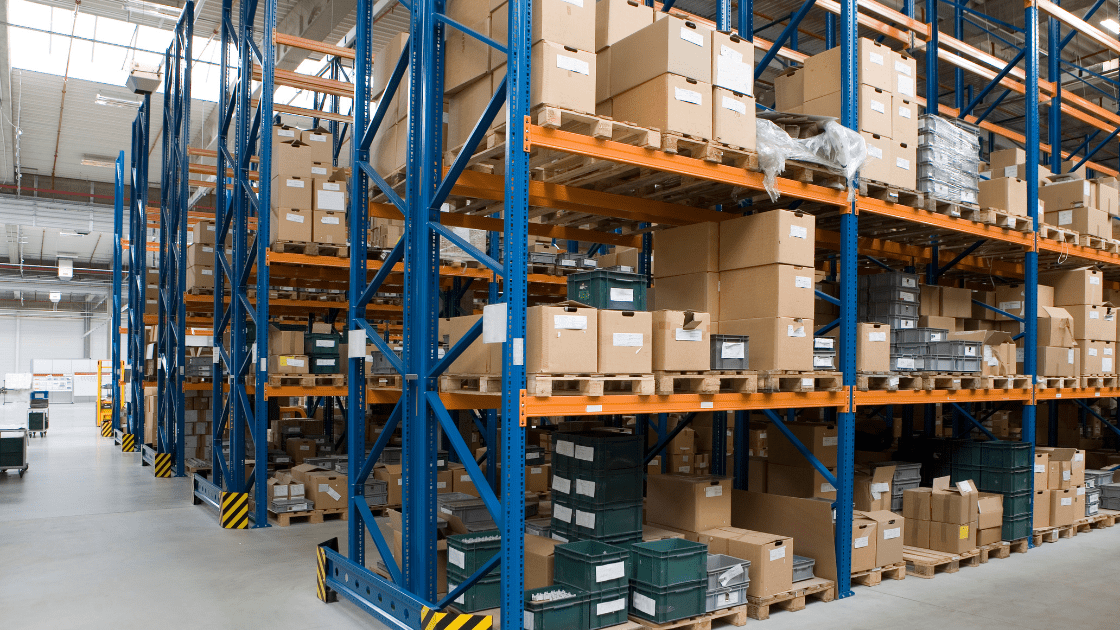
A warehouse with many SKUs and low pallet quantities typically benefits from selective racking that provides direct access. On the other hand, high-density storage may be better suited for warehouses with fewer SKUs and higher pallet counts per item.
Understanding your SKU mix helps prevent common issues like wasted vertical space, congested aisles, or racking that limits future growth.
Choosing the Right Warehouse Pallet Racks for Your Operation
There’s no one-size-fits-all solution when it comes to warehouse racking. The right system balances accessibility, density, and compatibility with your material handling equipment.
Common racking options include:
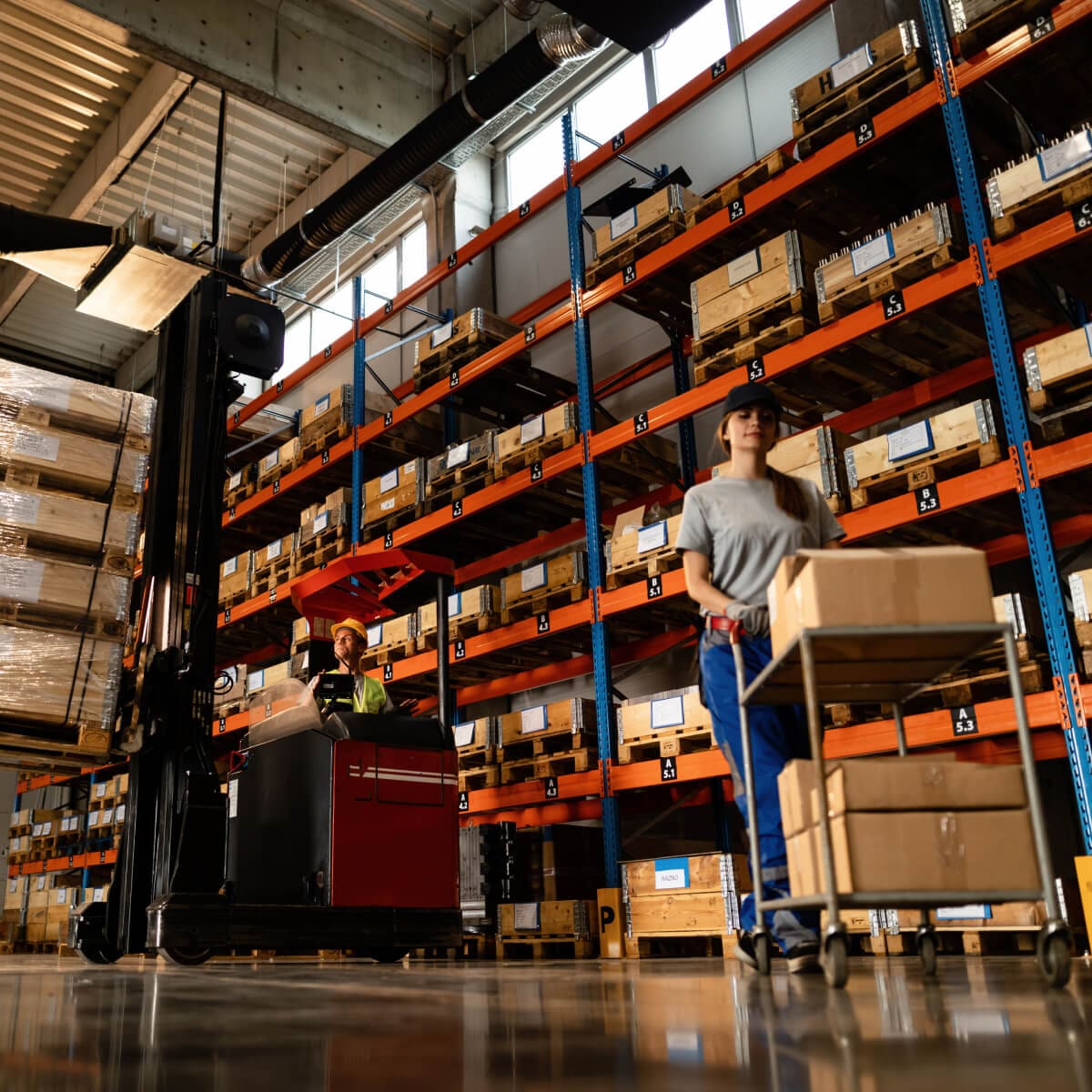
- Selective pallet racks – Ideal for high SKU counts and frequent access
- Drive-in or drive-through racks – Best for high-density storage with low variety
- Push-back racks – Useful for medium SKU counts with LIFO inventory flow
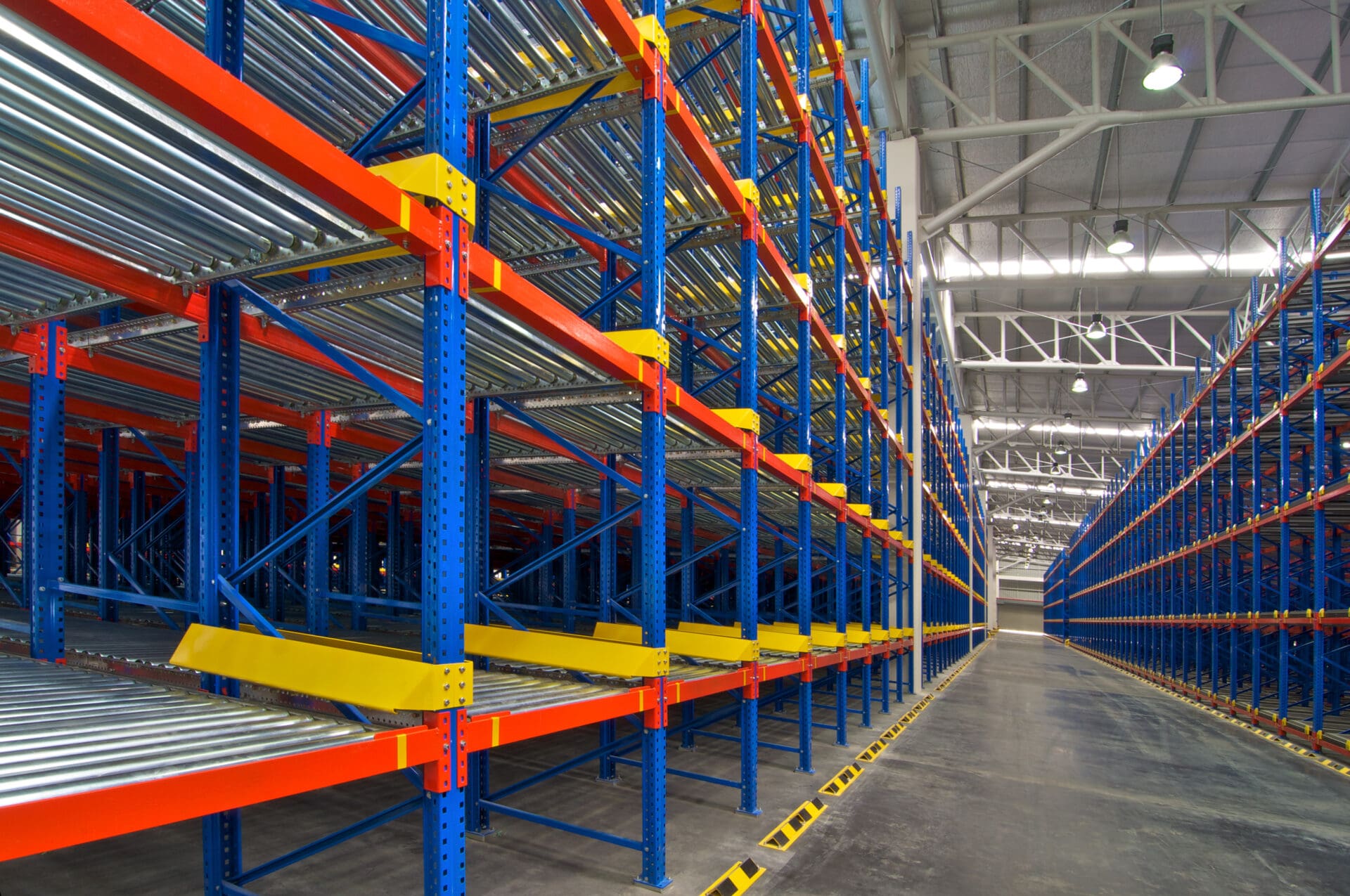
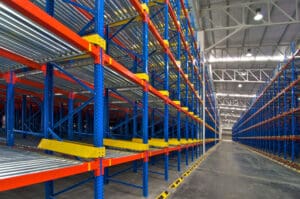
- Pallet flow racks – Great for FIFO operations with consistent pallet sizes
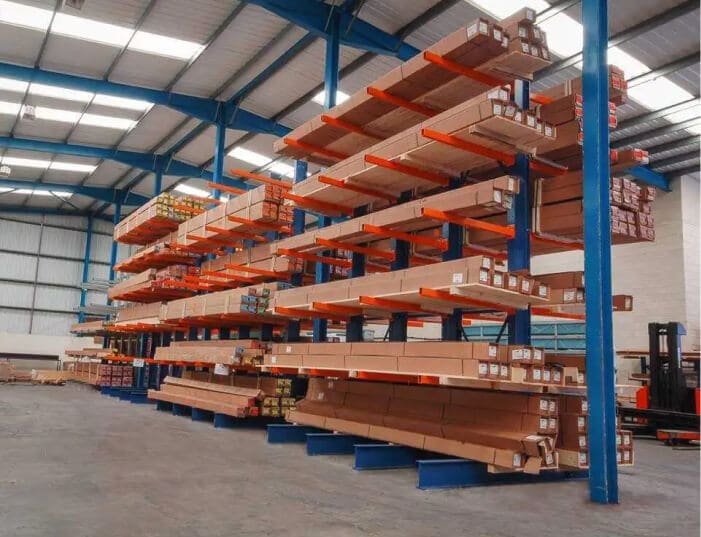
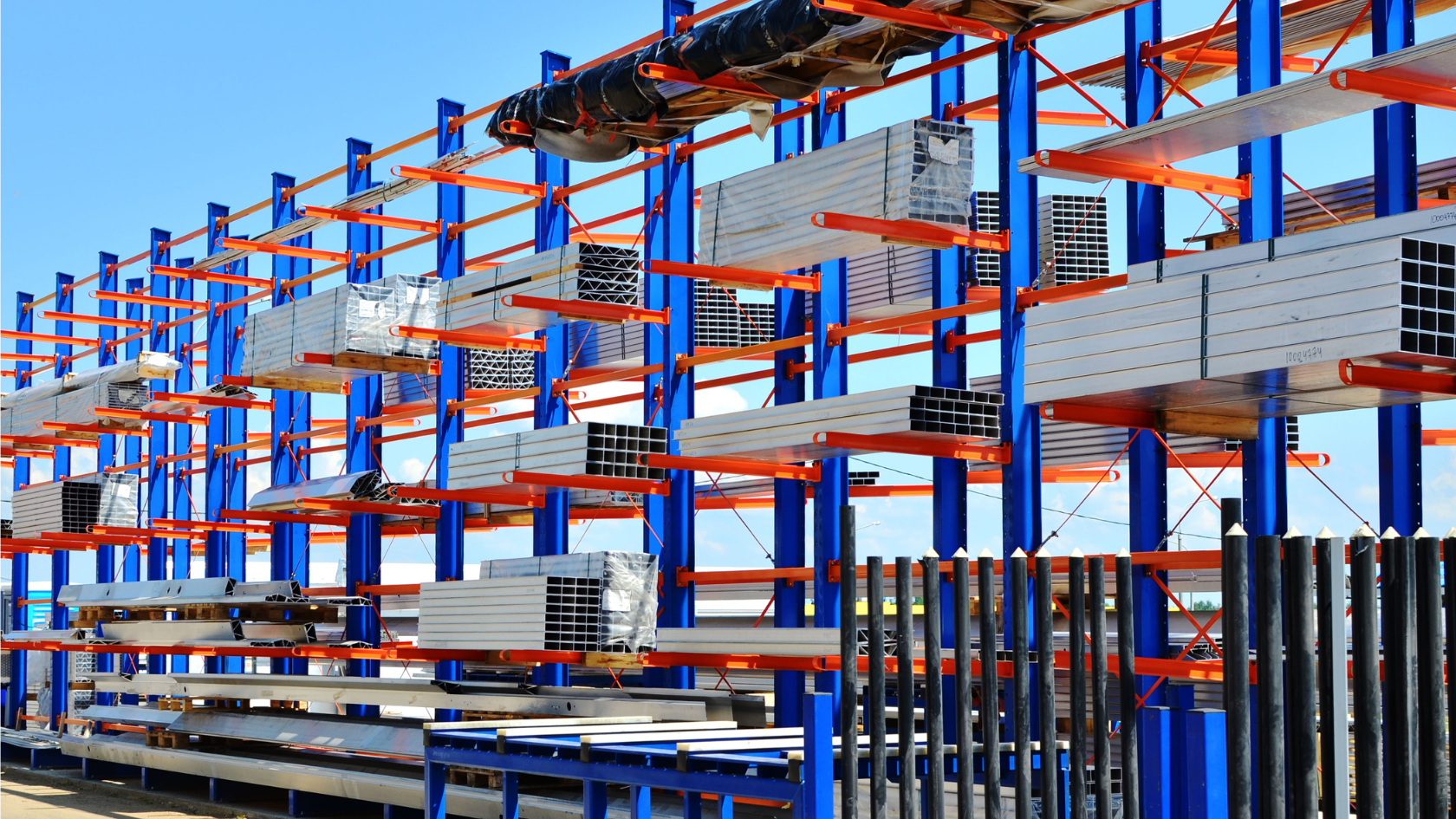
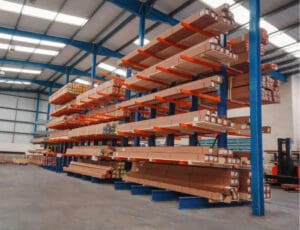
- Cantilever racks – Designed for long or bulky items
The goal is to maximize efficiency while keeping operators safe and productive.
Forklift Types Play a Bigger Role Than Most Warehouses Realize
Your forklift fleet directly impacts aisle widths, rack heights, and beam capacities. Designing racks without considering forklift specifications often leads to costly retrofits later.
Here’s how different forklifts affect racking decisions:
- Counterbalance forklifts require wider aisles and lower rack heights
- Reach trucks allow for narrower aisles and taller storage
- Turret trucks support very narrow aisle (VNA) systems and high-density layouts
- Pallet jacks and walkies work best with low-level or staging racks
When warehouse pallet racks are matched properly to forklift types, operators move faster, visibility improves, and damage to racks and product is significantly reduced.
Aisle Width, Clearance, and Safety Considerations
One of the most overlooked aspects of racking design is clearance. Tight aisles may look efficient on paper but can slow down real-world operations and increase risk.
Important clearance factors include:
- Turning radius of forklifts
- Load overhang on pallets
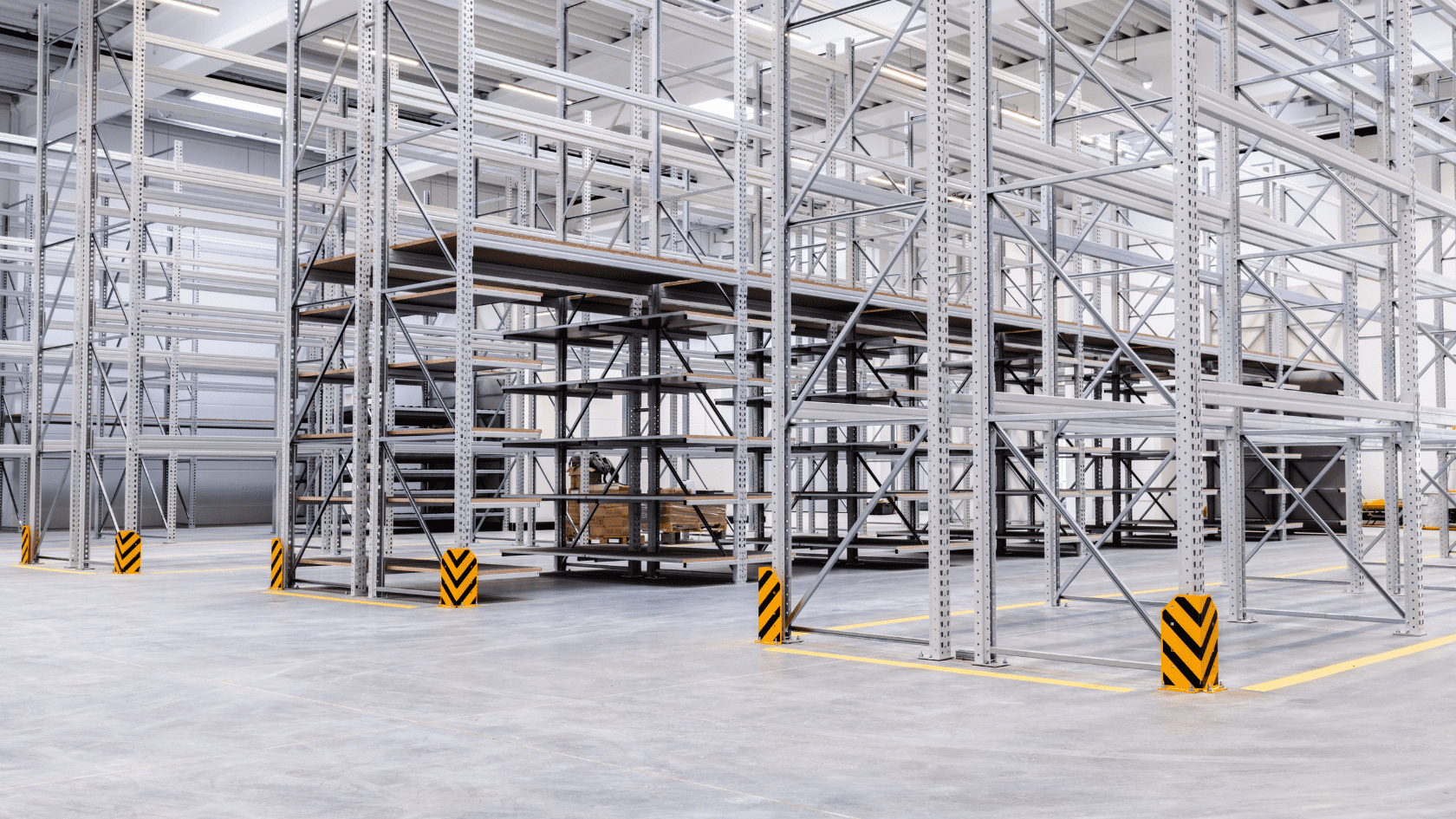
- Rack upright protection
- Fire code and sprinkler clearance requirements
Well-planned warehouse pallet racks strike a balance between density and maneuverability, keeping workflows smooth without sacrificing compliance or safety.
Planning for Growth and SKU Changes
Warehouses rarely stay static. New products, packaging changes, automation, or increased order volume can quickly make an inflexible racking system obsolete.
Future-proofing tips include:
- Using adjustable beam levels
- Designing layouts that allow aisle reconfiguration
- Selecting rack systems compatible with automation or conveyors
- Leaving room for vertical expansion
A thoughtful racking strategy anticipates where your operation is headed, not just where it is today.
Installation Quality Is Just as Important as Rack Design
Even the best racking system can underperform if it’s poorly installed. Proper anchoring, leveling, and alignment are critical for long-term performance and safety.
Professional installation ensures:
- Compliance with load ratings
- Correct integration with forklifts and workflows
- Reduced risk of rack failure or accidents
- Faster inspection approvals
This is where experience and planning make a measurable difference.
How ProRack Systems Supports Smarter Warehouse Design
ProRack Systems brings deep expertise to warehouse racking projects across industries. Our team works closely with operators to evaluate SKU mix, forklift types, building constraints, and growth plans.
From layout planning and rack selection to professional installation, ProRack Systems helps warehouses avoid costly mistakes and build storage systems that scale with their business.
If you’re planning a new warehouse layout or upgrading existing pallet racks, contact us at ProRack Systems to discuss a solution designed around your operation.