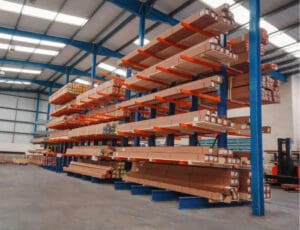
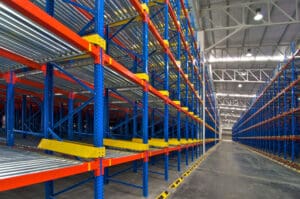
In a busy warehouse, pallet racking is more than just steel frames and beams. When it’s done right, inventory flows smoothly, employees stay safe, and space is used efficiently. When it’s done wrong, the results can range from constant inefficiencies to serious safety hazards.
Many warehouse issues come from small oversights, rushed decisions, or systems that haven’t kept up with growth.
Underestimating Load Capacity in Pallet Racking
One of the most frequent mistakes is failing to properly account for weight limits. Every pallet racking system is engineered to support specific loads based on beam length, upright strength, and anchoring.
Problems arise when:
- Heavier pallets are introduced over time
- Load weights vary by product or season
- Capacity labels are missing or ignored
Overloaded racks may not fail immediately, but they weaken gradually, increasing the chance of collapse.
How to avoid it: Ensure load capacities are clearly labeled and reviewed anytime inventory changes. If you’re unsure whether your current setup can handle new products, have the system evaluated before making adjustments.
Designing Warehouse Pallet Shelving Without Workflow in Mind
A common oversight is designing warehouse pallet shelving purely to maximize storage density, without considering how people and equipment actually move through the space.
This often leads to:
- Forklifts struggling with tight aisles
- Inefficient picking routes
- Congestion during peak hours
While high-density storage sounds appealing, it can slow productivity and increase accident risk if it doesn’t align with daily operations.
How to avoid it: Plan warehouse pallet shelving around real workflows, not just square footage. Consider aisle width, turning radius for equipment, and how often certain SKUs are accessed. A slightly wider aisle can often save hours of labor over time.
Skipping Regular Inspections and Maintenance
Warehouse environments are tough on equipment. Forklift impacts, shifting loads, and daily wear can slowly compromise pallet racking without being immediately obvious.
Common warning signs include:
- Bent uprights or beams
- Missing safety pins
- Loose anchors or floor bolts
Ignoring these issues can turn minor damage into a major safety incident.
How to avoid it: Implement routine inspections, both informal daily checks and scheduled professional assessments. Catching small issues early keeps your pallet racking system compliant, safe, and operational.
Improper Installation of Pallet Racking Systems
Even high-quality pallet racking can fail if it’s not installed correctly. Misaligned frames, uneven floors, or improperly anchored uprights can reduce system integrity from day one.
This mistake often happens when:
- Installations are rushed to meet deadlines
- Flooring conditions aren’t properly assessed
- Systems are modified without re-engineering
How to avoid it: Always treat installation as a critical phase, not an afterthought. Proper leveling, anchoring, and configuration ensure the system performs as designed and stands up to long-term use.
Using the Wrong Type of Warehouse Pallet Shelving
Not all warehouse pallet shelving systems are created equal. Using the wrong style for your inventory or storage strategy can limit access, slow picking, or waste vertical space.
For example:
- High-SKU environments may struggle with deep-lane systems
- FIFO inventory may suffer in LIFO-only configurations
- Seasonal products may require flexible layouts
How to avoid it: Match your shelving type to your inventory flow, product variety, and turnover rate. The right warehouse pallet shelving system should support how your business actually operates—not force you to work around it.
Failing to Plan for Growth
Many warehouses install pallet racking based solely on current needs. Then business grows, inventory expands, or product lines change—and suddenly the system no longer fits.
This leads to:
- Temporary fixes that reduce safety
- Inconsistent storage layouts
- Costly reconfigurations down the road
How to avoid it: When planning pallet racking, think beyond today. Modular systems and scalable designs make it easier to adapt as your operation evolves.
Not Training Staff on Pallet Racking Safety
Even a perfectly designed system can fail if employees don’t know how to use it properly. Improper pallet placement, overhanging loads, or careless forklift operation can all compromise pallet racking integrity.
How to avoid it: Provide regular training on load limits, proper placement, and damage reporting. Empowering staff to recognize and report issues keeps your system safer and extends its lifespan.
Why Warehouses Trust ProRack Systems
ProRack Systems specializes in helping warehouses design, install, and maintain efficient pallet racking and warehouse pallet shelving solutions. Our team understands how real warehouses operate and helps businesses avoid costly mistakes before they happen.
If you’re evaluating your current system, planning an expansion, or addressing safety concerns, working with experienced professionals can save time, money, and headaches.
Ready to improve your warehouse storage? Visit us at ProRack Systemsto explore smart pallet racking solutions designed for safety, efficiency, and long-term growth.