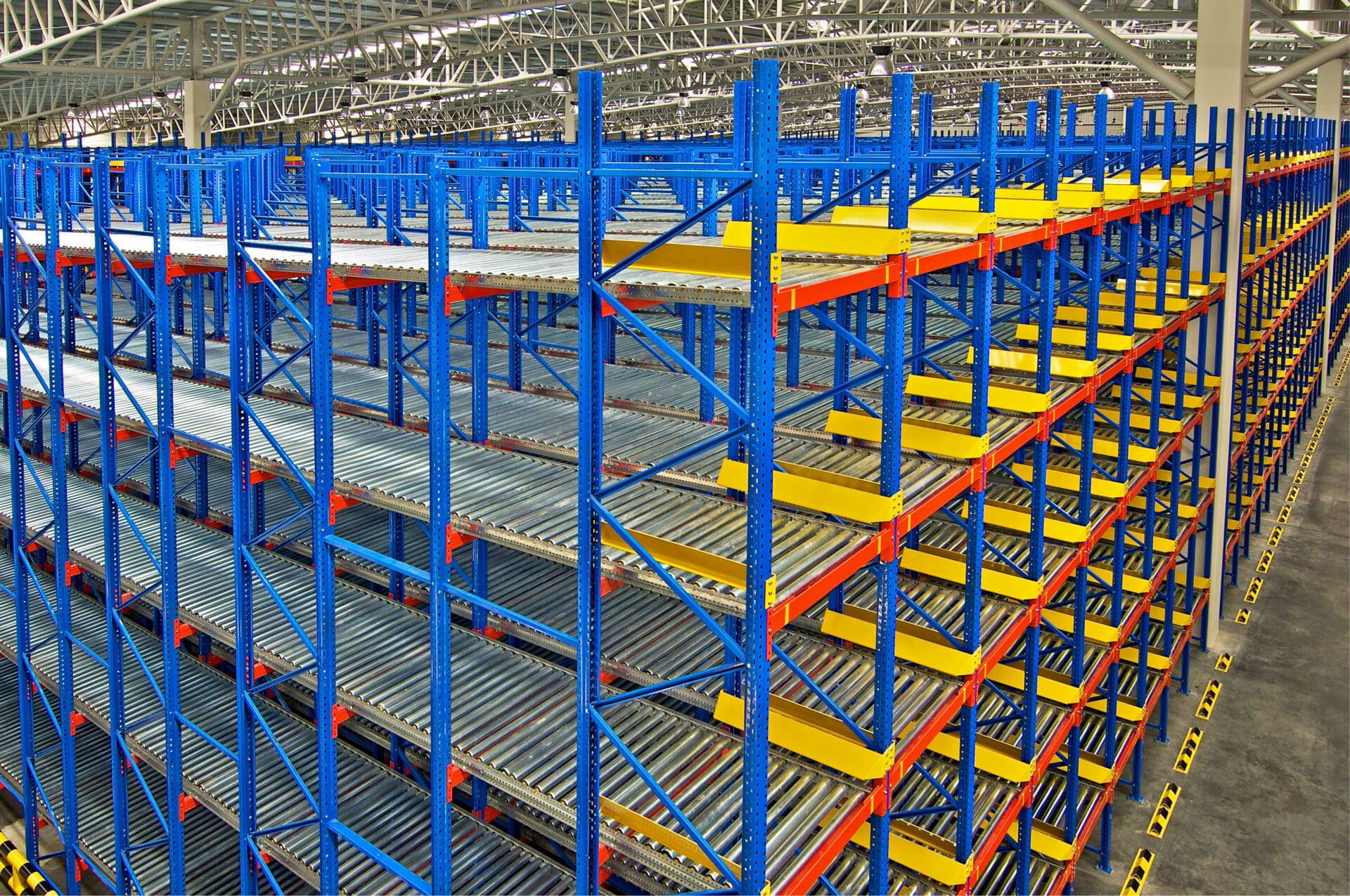
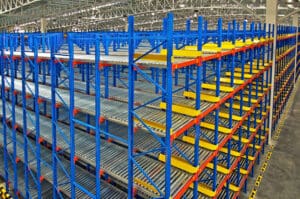
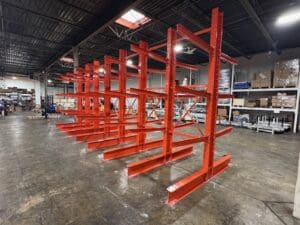
Carton flow systems play a critical role in efficient warehouse operations, especially in high-volume picking environments where speed and accuracy are essential. A properly functioning carton flow rack allows inventory to move seamlessly using gravity, improving productivity and reducing labor demands.
However, like any material handling system, ongoing maintenance is necessary to ensure optimal performance, extend equipment lifespan, and maintain workplace safety.
Why Regular Carton Flow Rack Maintenance Matters
A well-maintained carton flow rack supports consistent product flow, reduces picking errors, and enhances worker efficiency. Over time, wear and tear can impact the system’s ability to perform as intended. Dust accumulation, damaged rollers, or misaligned tracks can slow down operations and create safety hazards.
Routine inspections and proactive maintenance allow businesses to identify issues early before they escalate into larger problems. In fast-paced warehouse environments, even minor inefficiencies can compound quickly, making preventative care a critical component of operational success.
Inspecting and Maintaining Rollers
Rollers are the core component of any carton flow system. They facilitate the smooth movement of cartons from the loading side to the picking face. Because they are constantly in motion and under load, they are also the most susceptible to wear.
Regular inspection of rollers should focus on identifying debris buildup, flat spots, or signs of uneven rotation. Dust, shrink wrap fragments, and other materials can accumulate over time and interfere with performance. Cleaning rollers on a consistent schedule helps maintain proper movement and prevents unnecessary strain on the system.
It is also important to monitor for damaged or broken rollers. Even a single faulty roller can disrupt the flow of an entire lane. Replacing worn components promptly ensures that the carton flow rack continues to operate efficiently and safely. Lubrication may be required depending on the system design, but it should always be done according to manufacturer specifications to avoid attracting additional debris.
Keeping Tracks Clean and Properly Aligned
Tracks provide the pathway that guides cartons through the system, and their condition directly affects performance. Over time, tracks can become misaligned due to repeated loading, impacts from equipment, or general wear.
Regularly inspecting track alignment ensures that cartons move consistently without sticking or drifting off course. Misaligned tracks can lead to uneven weight distribution, which increases strain on rollers and may cause premature failure.
Cleaning tracks is equally important. Dust and debris buildup can create friction that slows product flow. Maintaining a clean track surface allows gravity to do its job effectively, reducing the need for manual intervention. In facilities with high throughput, incorporating track cleaning into routine maintenance schedules can significantly improve overall efficiency.
Safety Checks and Structural Integrity
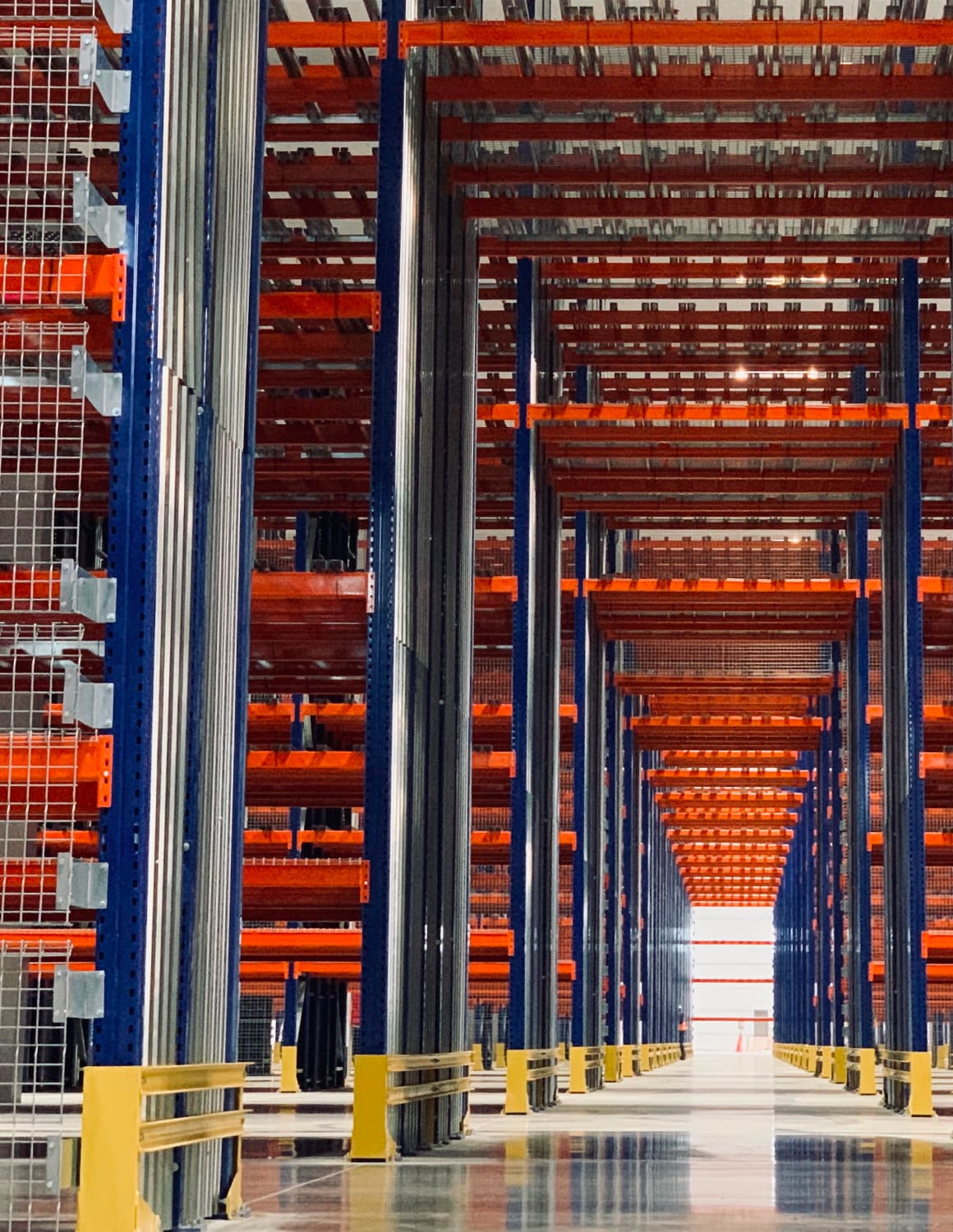
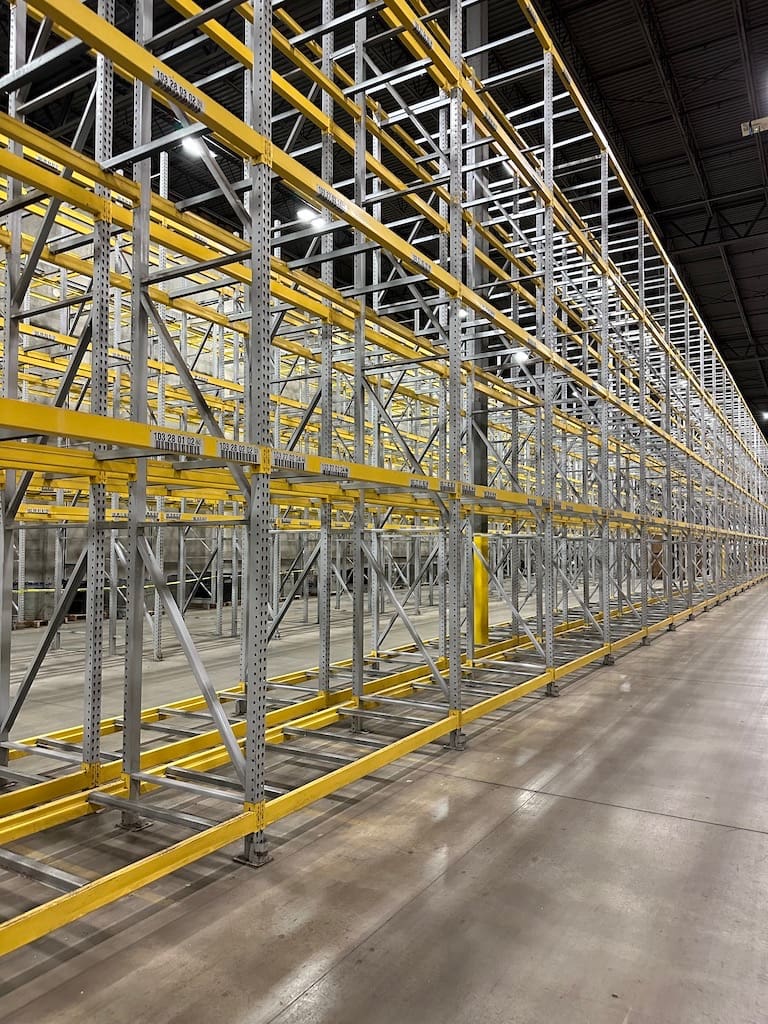
Beyond rollers and tracks, the structural components of a carton flow rack must also be evaluated regularly. Safety checks should include examining frames, supports, and anchoring systems to ensure everything remains secure and stable.
Look for signs of bent frames, loose bolts, or compromised connections. These issues can develop over time, particularly in environments where forklifts or pallet jacks frequently operate nearby. Addressing structural concerns early helps prevent more serious safety risks.
Load capacity should also be reviewed periodically. Overloading a system can lead to excessive wear or even structural failure. Ensuring that the rack is used within its designed limits protects both employees and inventory.
Employee safety should always remain a top priority. Clearly marked load limits, proper training, and routine inspections all contribute to a safer work environment. When safety protocols are combined with consistent maintenance practices, warehouses can minimize risk while maximizing productivity.
Establishing a Preventative Maintenance Schedule
Consistency is key when it comes to maintaining a carton flow rack system. Establishing a preventative maintenance schedule helps ensure that inspections and cleaning tasks are performed regularly rather than reactively.
Daily visual checks can identify obvious issues such as debris buildup or damaged components. Weekly or monthly inspections may involve more detailed evaluations of rollers, tracks, and structural elements. Keeping a maintenance log allows teams to track recurring issues and identify patterns that may require more comprehensive solutions.
Training staff to recognize early warning signs is another important aspect of preventative care. Employees who interact with the system daily are often the first to notice changes in performance. Encouraging communication between operators and maintenance teams can lead to quicker resolutions and fewer disruptions.
When to Repair vs. Replace Components
Minor issues such as debris buildup or slight misalignment can typically be resolved through cleaning and adjustment. However, components that show significant wear, cracking, or repeated failure should be replaced to maintain system reliability.
Investing in high-quality replacement parts can make a significant difference in long-term performance. While it may be tempting to opt for lower-cost solutions, durable components often provide better value by reducing the frequency of future repairs.
Partnering with Experts Like ProRack Systems
ProRack Systems offers expertise in material handling solutions, including the design and implementation of efficient flow rack systems tailored to specific operational needs. Our team understands the importance of durability, safety, and performance in warehouse environments.
Contact us at ProRack Systems today to learn how our expertise can support your operations and keep your systems running at peak performance.