A warehouse’s success hinges on organization and efficiency, but those depend on one crucial element: safety. Pallet racking systems are the backbone of most warehouses, supporting tons of product daily. When not properly installed, maintained, or loaded, they can pose serious hazards to workers and inventory alike.
That’s why every warehouse manager needs a clear understanding of how to keep pallet racks in top condition and compliant with safety standards.
Proper Installations Is the First Step to Safety
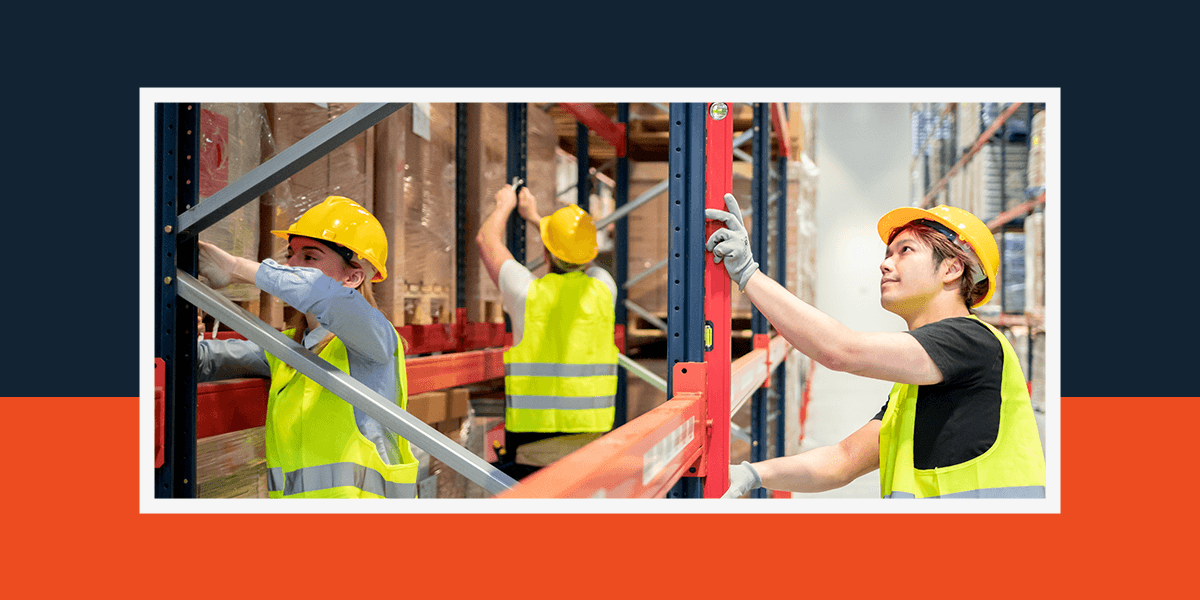
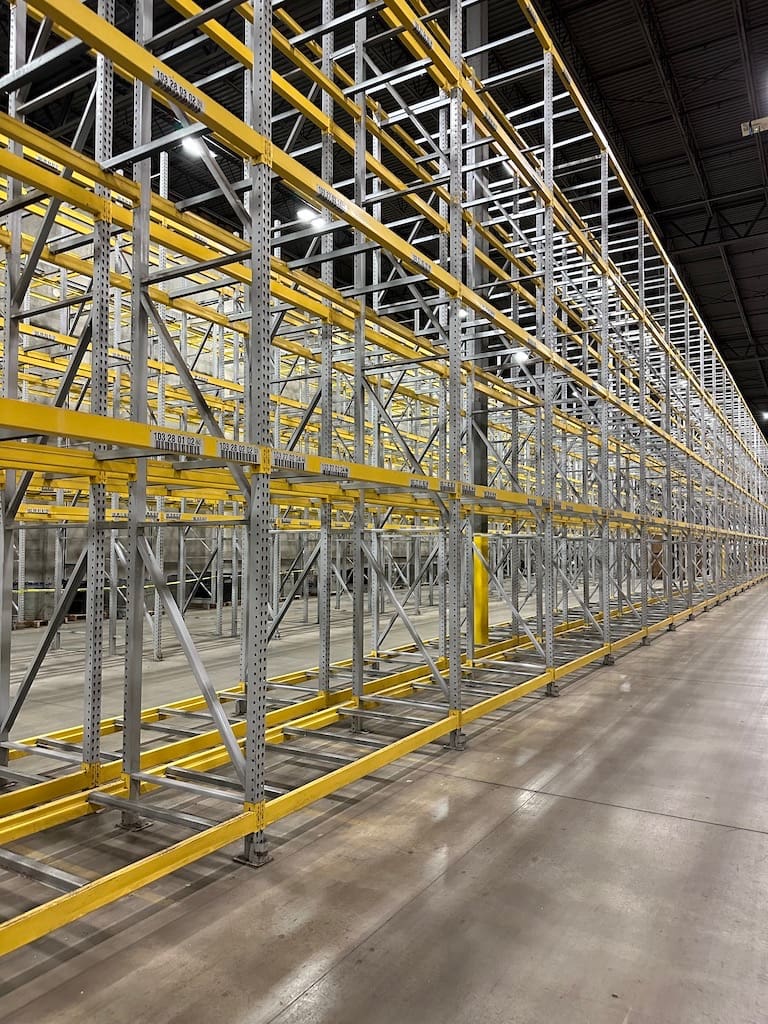
The foundation of pallet racking safety begins with correct installation. Even a slight misalignment or uneven flooring can compromise the entire structure. Here’s what to keep in mind:
- Use certified professionals: Always have pallet racking installed by experienced technicians who follow manufacturer specifications and OSHA safety standards.
- Inspect the floor and anchors: Ensure floors are level and capable of supporting the rack’s weight. Anchors should be secured tightly to prevent shifting or collapse.
- Level and plumb: Racks must be perfectly vertical and unevenly spaced. A slight tilt might seem harmless at first but can lead to long-term instability.
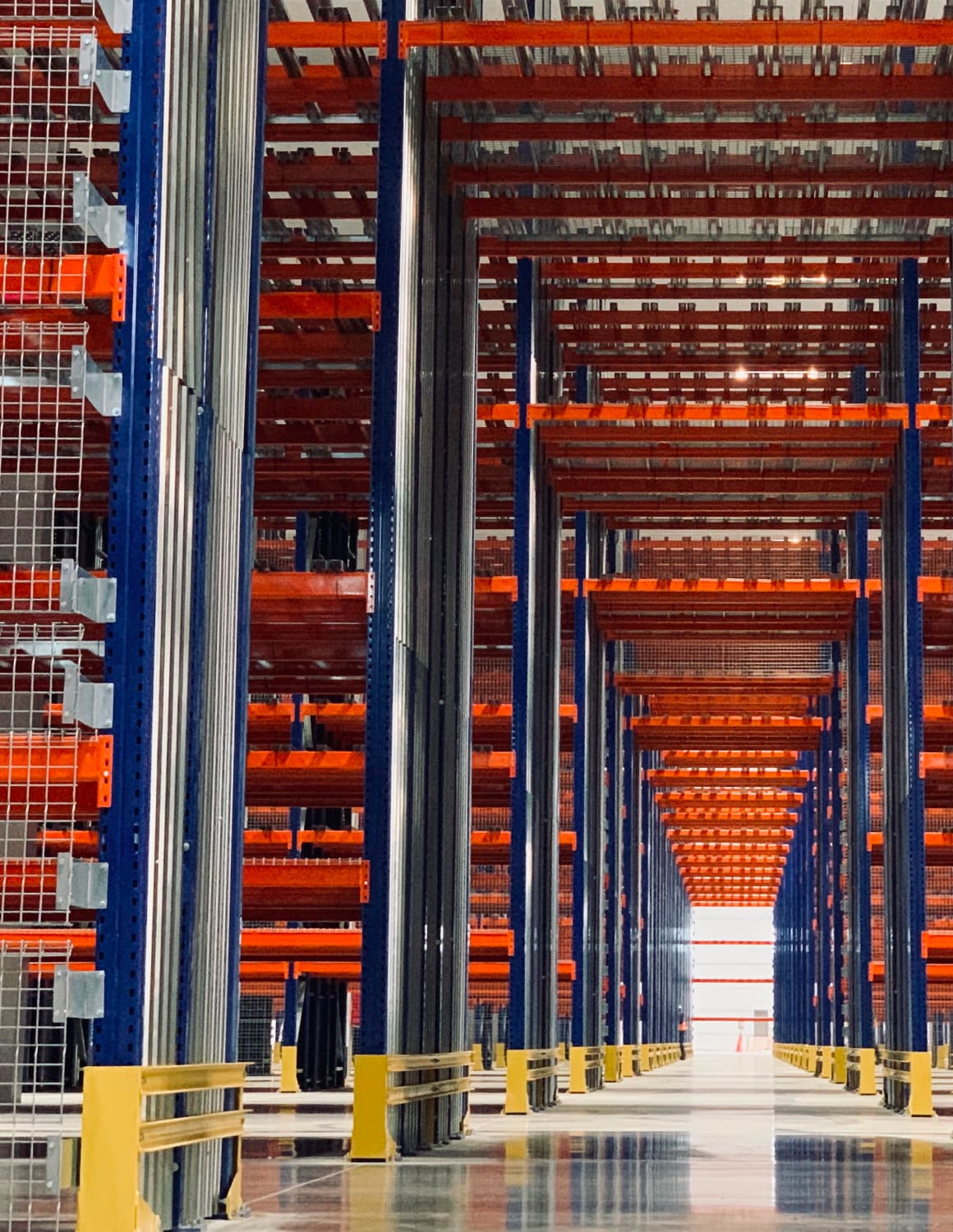
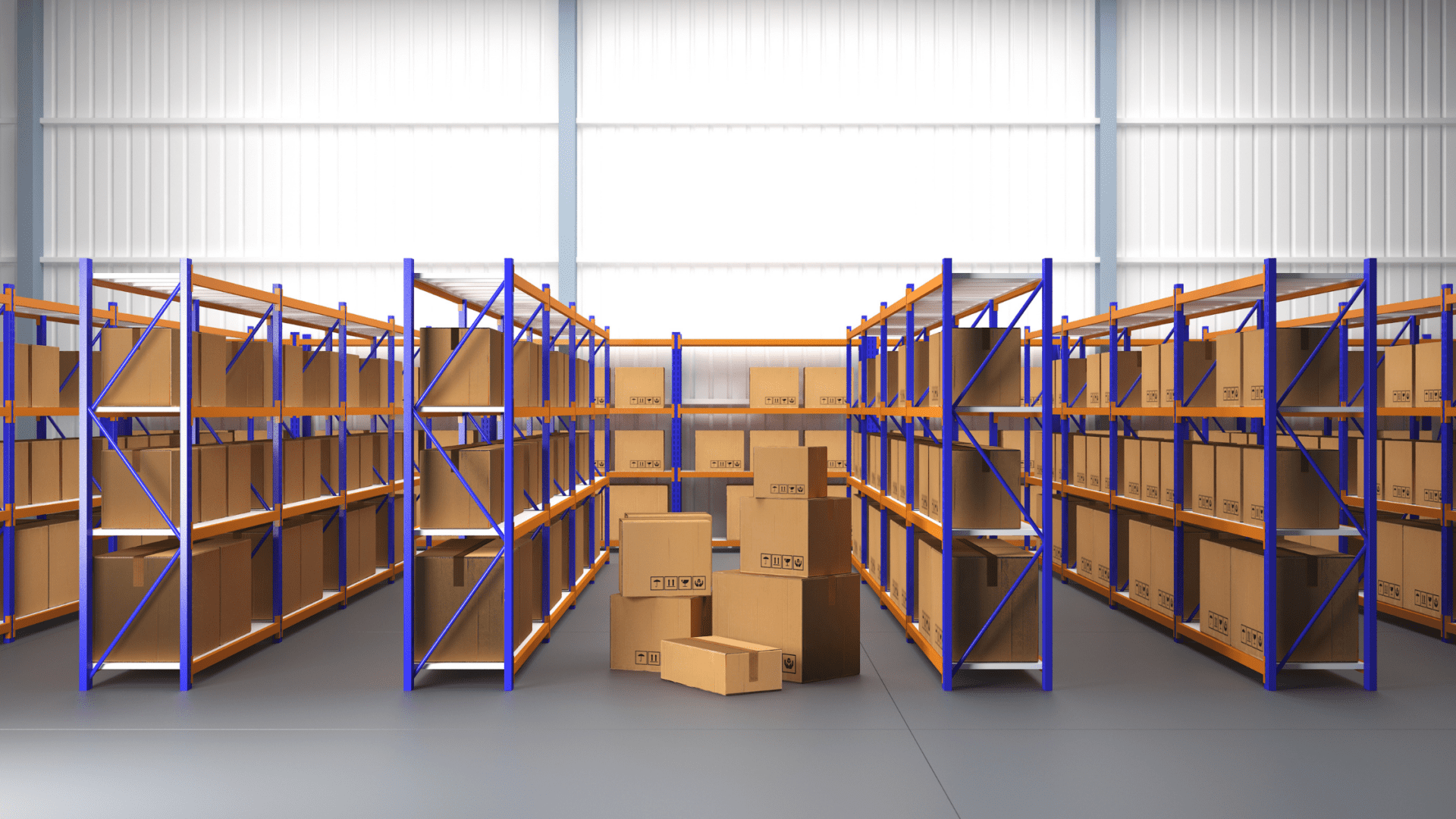
- Allow for clear aisles: Proper aisle spacing improves visibility, reduces forklift accidents, and ensures compliance with fire safety codes.
A safe installation sets the stage for years of efficient operation and minimizes risks associated with overloading or accidental impact.
Conduct Regular Inspections and Maintenance
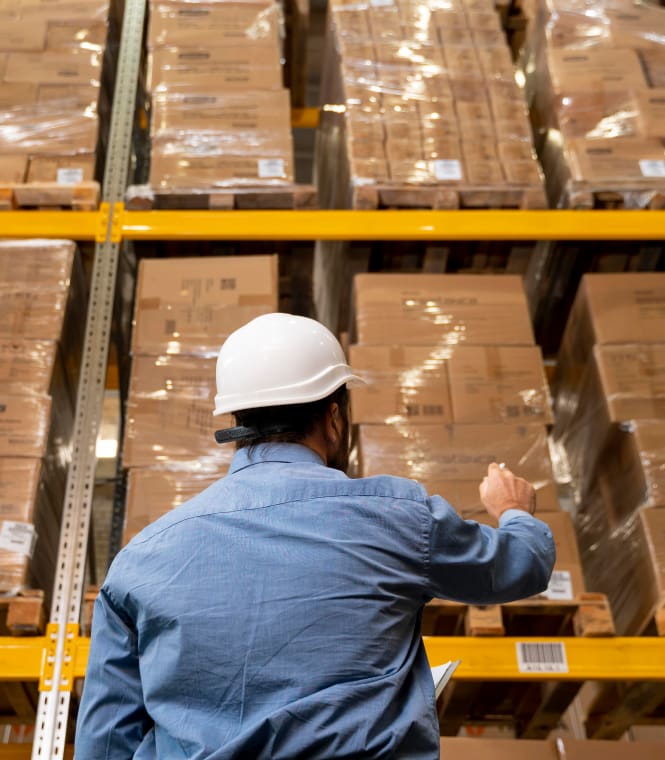
Routine inspections are the best way to catch small problems before they escalate. A visual inspection schedule should be built into your warehouse’s operations plan.
What to look for:
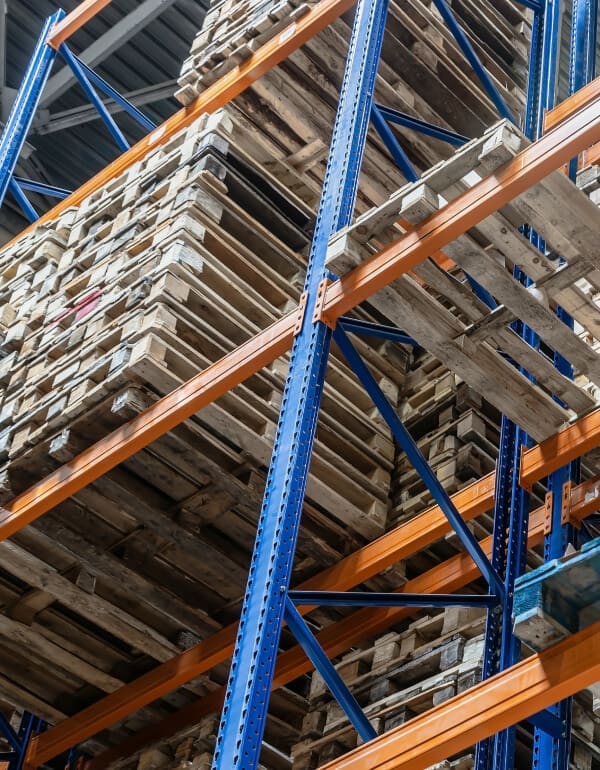
- Bent or damaged uprights and beams: Even minor dents can weaken the system.
- Loose bolts or missing safety pins: These should be addressed immediately.
- Rust or corrosion: Moisture can compromise steel strength, especially in older pallet racking systems.
- Signs of overloading: Look for sagging beams or uneven weight distribution.
- Impact damage: Forklift collisions are common and can significantly reduce load-bearing capacity.
Designate a trained team member to perform weekly checks and schedule professional inspections quarterly or biannually. Keeping detailed inspection logs helps ensure compliance and accountability.
Know and Respect Weight Limits
Every pallet racking system has a maximum load capacity, and exceeding it is one of the most common and preventable causes of rack failure.
Key best practices:
- Check the manufacturer’s specifications: Never guess. Load ratings are based on the rack’s dimensions, materials, and configuration.
- Distribute weight evenly: Heavier items should be placed on lower levels, with lighter products up top.
- Use load signage: Clearly label weight limits at eye level on each bay to keep employees informed.
- Avoid mixing rack components: Using beams or uprights from different manufacturers can alter load ratings and void warranties.
Educating your team on proper loading procedures ensures that pallet racking performs safely and efficiently over time.
Train Your Team on Safe Practices
Even the best equipment can’t make up for poor training. Warehouse employees who understand safe loading, forklift operation, and hazard reporting play a vital role in maintaining a secure environment. Encourage your team to:
- Report damage immediately, no matter how small it seems.
- Avoid climbing racks or using them as ladders.
- Follow designated traffic paths when using forklifts.
- Keep aisles free of debris and obstructions.
Consistent safety training sessions not only reduce accidents but also foster a culture of accountability throughout the facility.
Plan for the Unexpected
While most safety protocols focus on day-to-day use, it’s important to prepare for rare but high-impact events such as earthquakes, severe weather, or fires.
- Install safety accessories: Row spacers, guardrails, and column protectors can help prevent collapse during an impact or shake.
- Develop an emergency plan: Ensure employees know how to respond to potential rack failures or structural emergencies.
- Schedule regular drills: Reinforce preparedness and keep everyone confident under pressure.
The more proactive your approach, the less likely an unexpected incident will cause serious harm or downtime.
Partner with ProRack Systems for Expert Pallet Racking
If your facility needs a new layout, an upgrade, or an inspection, working with a trusted racking specialist can make all the difference. That’s where ProRack Systems comes in. With decades of experience in warehouse design, installation, and safety compliance, ProRack Systems helps businesses maximize storage space while maintaining structural integrity and peace of mind.
Contact us at ProRack Systems to learn more about professional design, installation, and maintenance services that keep your pallet racking systems performing safely.